Recent conversations about social media, artificial intelligence, and mental health are finally naming something many of us have felt for years: connection—not status—is the foundation of long-term wellbeing.
In a recent 60 Minutes segment, Mitch Prinstein shared insights from his book Popular that resonate deeply with the work we do at Tellegacy. His research highlights a critical distinction that often gets lost in modern culture: the difference between being liked and seeking status.
Likability—making others feel valued, included, and heard—is one of the strongest predictors of lifelong happiness, stable relationships, and emotional health. Status-seeking—pursuing power, visibility, and approval—may look rewarding in the short term, but it is consistently linked to anxiety, depression, and disconnection later in life.
This matters not just for children and adolescents, but for how we think about aging, community, and intergenerational relationships.
What Popularity Research Teaches Us About Aging
Dr. Prinstein’s work shows that early social experiences shape how we relate to others across the lifespan. Children who learn to connect through kindness and inclusion tend to carry those skills into adulthood. Those who are rewarded primarily for dominance or visibility often struggle later, even if they appeared “successful” early on.
At Tellegacy, we see the same pattern from the other end of the lifespan.
Older adults who have had strong relational foundations often remain socially engaged, resilient, and emotionally grounded. Those who have experienced long periods of social isolation—or whose identities were tied mainly to status, productivity, or external validation—are more vulnerable to loneliness as they age.
This is why we believe healthy aging and the foundations of geriatrics should be introduced early in life, not treated as an afterthought once people reach older adulthood.
Intergenerational Connection Benefits Both Sides
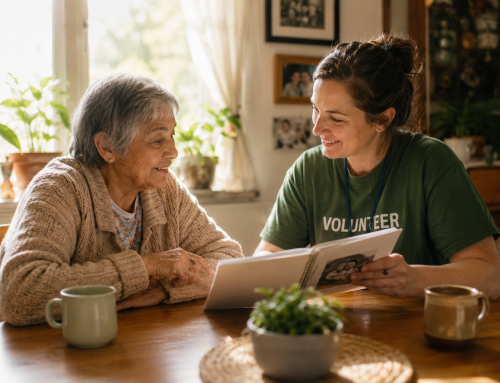
The book Popular reinforces something we see every day in the Tellegacy Intergenerational Program: connection is not a one-way benefit.
When students or younger adults engage meaningfully with older adults, they learn skills that no algorithm can teach:
- how to listen without performing
- how to value someone beyond metrics or status
- how to build relationships rooted in presence rather than productivity
At the same time, older adults experience being seen, heard, and valued for who they are—not for what they can produce or how visible they are. These conversations restore dignity, purpose, and mutual appreciation.
This is especially important in a culture increasingly driven by numbers—likes, followers, views, rankings. As Dr. Prinstein notes, when we prioritize status over connection, we lose touch with what actually sustains us.
Being Proactive About Aging Is Being Proactive About Humanity
Healthy aging is not just about physical health. It is about social health, emotional wellbeing, and belonging.
At Tellegacy, we encourage communities, educators, healthcare systems, and families to think proactively:
- Teach children and students what meaningful connection looks like
- Normalize conversations about aging long before crisis points
- Create spaces where different generations learn with one another, not just about one another
Our legacy books capture these relationships in a tangible way—preserving stories, values, and lived experience—while reinforcing the message that connection matters at every stage of life.
Getting Involved With Tellegacy
There are many ways to engage with Tellegacy and support human-centered connection across generations:
- Participate in an intergenerational program as a student, older adult, or community partner
- Partner with Tellegacy to bring programs into schools, healthcare settings, or community organizations
- Invite Dr. Jeremy Holloway for keynote speaking, workshops, or webinars on social connection, aging, and human-centered leadership
- Explore legacy book projects that honor lived experience and strengthen relationships
To learn more or request a sample presentation, program overview, or consultation, visit:
https://tellegacy.org
https://jeremyholloway.com
You can also reach our team directly at:
social@tellegacy.com
In a world increasingly shaped by technology and metrics, choosing connection is not passive—it is a proactive, evidence-based investment in lifelong wellbeing.